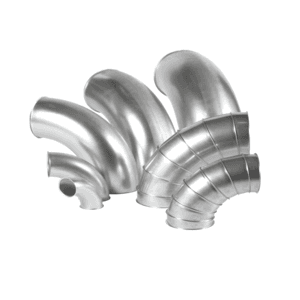
Dust Collection Systems
Industrial Dust Collection Systems in Wood Processing Plants – More Than Just Dust Collection
In wood processing plants, dust is one of the most common environmental factors generated continuously and in large quantities. Processes such as sawing, cutting, planing, sanding, drilling, CNC machining, and polishing can all generate wood dust of different sizes and characteristics.
Therefore, an industrial dust collection system is not simply responsible for collecting dust generated during the production process. A properly designed and operated system also plays an important role in protecting workers' health, reducing fire and explosion risks, protecting machinery, limiting emissions into the environment, and contributing to a cleaner, safer, and more sustainable manufacturing facility.
1. Why Do Wood Processing Plants Need Dust Collection Systems?
During machining and processing, wood dust and waste are continuously generated. If they are not controlled directly at the source, dust can spread into the factory air and accumulate on machinery, electrical equipment, products, and production areas.
For large-scale manufacturing plants, the amount of dust generated is significantly higher, and the dust collection system therefore needs to be designed in coordination with the production line. Parameters such as airflow, pressure, conveying velocity in the ductwork, filtration capacity, and dust recovery methods need to be appropriate for each type of machine and production area.
A suitable system not only helps keep the factory cleaner but also contributes to maintaining stable operating conditions throughout the production line.
2. Capturing Dust at the Source
One of the most important principles of an industrial dust collection system is to capture dust as close to the source of generation as possible.
Instead of allowing dust to disperse into the air before treating it:
Dust Source → Dust Dispersion → Factory Air → Worker Exposure
the system is arranged to perform the following process:
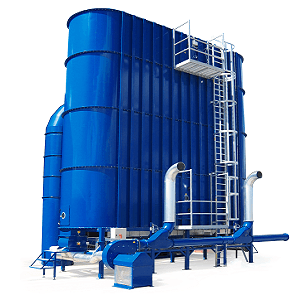
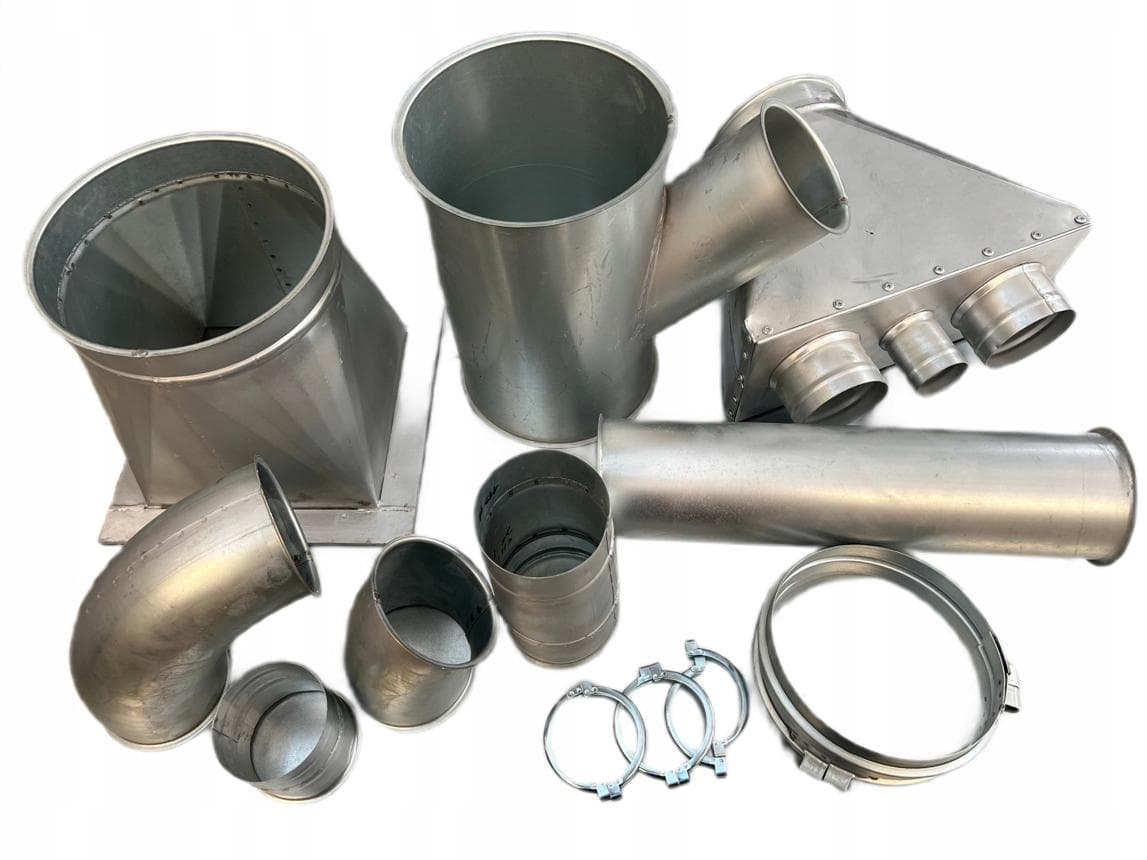
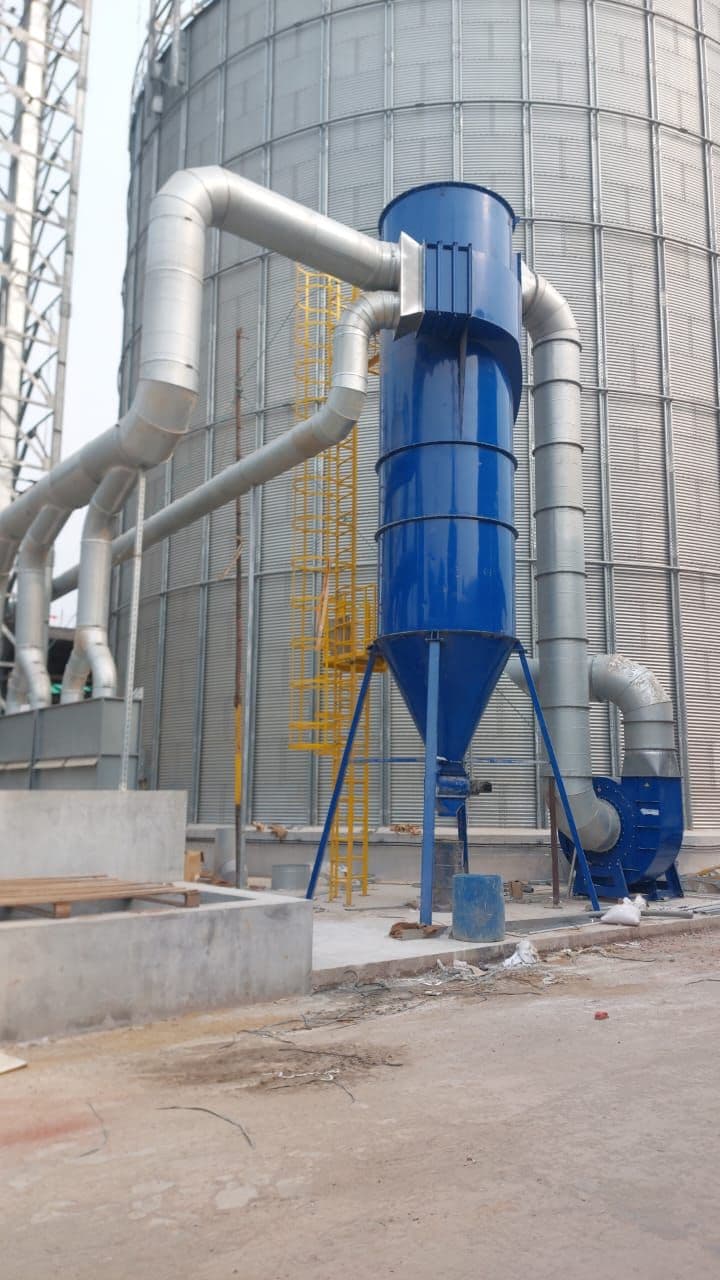
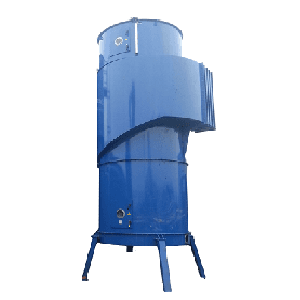
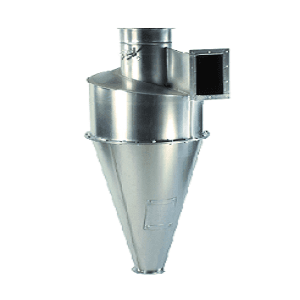
Processing Machine → Extraction Hood → Ductwork → Cyclone/Bag Filter → Exhaust Fan → Filtered Air
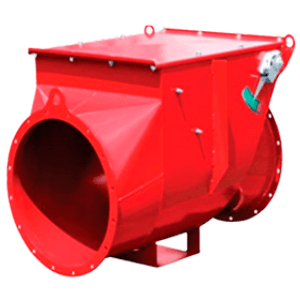
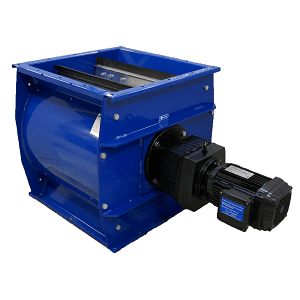
Dust separated from the airflow can then pass through a rotary valve and be transported to a silo, storage container, or dedicated dust recovery system.
Source capture – also known as Local Exhaust Ventilation (LEV) – helps control dust directly at the machining area before it has the opportunity to disperse throughout the factory environment.
3. Protecting Workers' Health
This is one of the most important benefits of a dust collection system, although it sometimes receives less attention than general factory cleanliness.
Fine wood dust particles can remain suspended in the air and enter workers' respiratory systems. Regular exposure to wood dust may be associated with a number of occupational health issues, including:
Eye and skin irritation;
Respiratory irritation and inflammation;
Allergic reactions;
Occupational asthma;
Bronchitis;
Reduced lung function.
More importantly, wood dust should not be considered simply a housekeeping issue. Wood dust is classified by IARC as carcinogenic to humans – Group 1, with evidence particularly associated with certain cancers of the nasal cavity and sinuses among occupationally exposed workers.
Therefore, reducing airborne dust concentrations in working areas is an important part of protecting the health of workers in the wood processing industry.
4. Creating a Cleaner and More Stable Working Environment
When airborne dust inside the factory is properly controlled, the benefits go beyond long-term health protection.
Dust accumulating on machinery, sensors, electrical cabinets, and moving components can increase cleaning and maintenance requirements. Dust deposited on products may also affect subsequent stages of the production process.
An effective dust collection system therefore creates a chain of benefits:
Dust Collection → Better Air Quality → Better Working Environment → Worker Health & Comfort → More Sustainable Production
In other words, the ultimate objective is not simply to "remove dust from the factory", but to create a better production environment for both people and equipment.
5. Reducing Fire and Dust Explosion Risks
In addition to health concerns, wood dust is directly related to industrial safety.
Fine wood dust is considered combustible dust. When dust accumulates in large quantities or becomes suspended in the air under suitable conditions and an ignition source is present, there is a potential risk of fire or dust explosion.
This is why allowing dust to accumulate over long periods on floors, machinery, factory structures, or within production areas is not only a housekeeping issue but also a potential safety hazard.
A dust collection system therefore serves two parallel functions:
Dust Collection = Health Protection + Fire/Explosion Risk Reduction
Controlling dust at the source and transporting it to a properly designed collection area helps reduce the amount of dust dispersed and accumulated within the production environment.
6. Protecting Machinery and Maintaining Production Efficiency
Modern manufacturing facilities increasingly rely on electrical equipment, PLCs, variable frequency drives, sensors, and automated control systems.
Dust dispersed over long periods can accumulate on equipment, electrical cabinets, and machine surfaces. Proper dust control within the factory therefore contributes to:
Reducing dust accumulation on equipment;
Reducing cleaning time;
Supporting maintenance activities;
Maintaining a more stable operating environment for machinery;
Reducing dust contamination on products;
Helping maintain production line efficiency.
For this reason, dust collection should be considered an integral part of the production system, rather than an independent auxiliary system.
7. Reducing Dust Emissions into the Environment
The impact of wood dust does not stop within the boundaries of the factory.
If dust is not effectively collected and filtered, a portion of the dust and particulate matter may be released into the external environment, affecting air quality around the factory and neighboring areas.
A properly designed dust collection and filtration system follows the process:
Process → Capture → Transport → Filtration → Cleaned Air
Dust is retained within the filtration system and transferred to the designated collection area, while the filtered air is handled according to the plant's system design.
As a result, the system contributes to reducing dust and particulate emissions into the environment, improving air quality, and minimizing the impact of manufacturing activities on surrounding areas.
This is also becoming increasingly important as manufacturing plants move toward cleaner production and sustainable development.
8. From Traditional Dust Collection to Smart Dust Collection Systems
For large-scale manufacturing plants, modern dust collection systems can be more deeply integrated with industrial automation systems.
PLCs, SCADA systems, variable frequency drives, and various sensors can be used to monitor important operating parameters such as:
Air Flow – Pressure – Differential Pressure – Fan Status – Motor Status – Power Consumption – Filter Condition
Instead of continuously operating fans at a fixed condition, data from the production system and field sensors can be used to adjust dust collection system operation according to actual demand.
When combined with energy monitoring and data analytics, the dust collection system can evolve from a:
Dust Collection System
into a:
Smart Dust Collection & Energy Management System
The objective is then no longer simply to provide sufficient dust extraction, but to find an optimal operating balance between:
Dust Capture Performance ↔ Energy Consumption ↔ Production Demand
9. Moving Toward Green and Sustainable Manufacturing
A modern dust collection system can simultaneously contribute to multiple objectives within a manufacturing plant:
Protect Workers' Health
↓
Improve the Working Environment
↓
Reduce Fire and Explosion Risks
↓
Protect Machinery and Production Lines
↓
Reduce Dust Emissions into the Environment
↓
Optimize Energy Consumption and Operation
↓
Move Toward Sustainable Manufacturing
Therefore, investment in a dust collection and treatment system should not be viewed simply as an investment in "dust removal." It is also part of a long-term strategy to improve the health – safety – environment – energy efficiency – production efficiency of the manufacturing facility.
Conclusion
In the wood processing industry, dust is an inevitable by-product of the manufacturing process. However, how that dust is controlled has a significant impact on the quality of the working environment, workers' health, equipment reliability, factory safety, and the environmental impact of manufacturing activities.
A properly designed dust collection system does more than simply collect and treat dust; it becomes an important part of modern manufacturing infrastructure.
When filtration technology is combined with automation, sensors, variable frequency drives, and energy monitoring, the system can go even further – evolving from a conventional environmental treatment solution into an integral component of Smart & Sustainable Manufacturing.
More than just dust collection – it is about protecting people, protecting equipment, reducing environmental impact, and improving the efficiency of the entire production process.